

Textile printing has undergone a remarkable transformation over the years, with advancements in technology revolutionizing the industry. From the traditional methods of hand-painting and block printing to the modern techniques of screen printing and digital printing, the evolution of textile printing has been a fascinating journey. In this article, we will explore the various stages of this evolution and how they have shaped the textile industry.
The Early Days: Hand-Painting and Block Printing
The earliest forms of textile printing can be traced back to ancient civilizations, where artisans used hand-painting and block printing techniques to decorate fabrics. Hand-painting involved applying dyes directly onto the fabric using brushes, while block printing utilized carved wooden blocks dipped in dyes to create patterns.
These traditional methods allowed for intricate designs and the use of vibrant colors, but they were time-consuming and labor-intensive. As the demand for printed textiles grew, more efficient techniques were needed to meet the increasing production requirements.
The Rise of Screen Printing
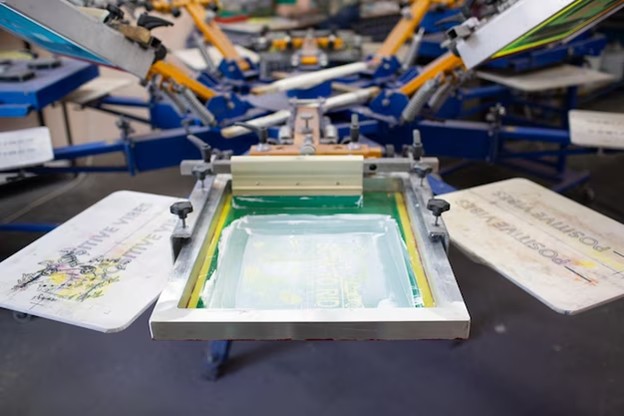
Screen printing emerged as a popular textile printing technique in the early 20th century. This method involves pushing ink through a mesh screen onto the fabric, creating a stencil-like design. Screen printing allowed for faster production and the ability to print on a wide range of fabrics, including cotton, polyester, and silk.
The development of photographic stencils in the 1960s further revolutionized screen printing, enabling more complex designs and the use of halftones. This advancement paved the way for the creation of high-quality printed textiles, making screen printing a preferred choice for many industries, including fashion, home decor, and promotional products.
The Advent of Digital Printing
In the late 20th century, digital printing technology began to emerge as a game-changer in the textile industry. Digital printing involves the use of specialized printers that directly apply dyes or pigments onto the fabric, eliminating the need for screens or stencils.
Digital printing offers several advantages over traditional methods, such as:
- Shorter lead times: Digital printing allows for quick turnaround times, making it ideal for small-batch production and custom orders.
- Reduced waste: Digital printing minimizes the amount of fabric waste, as it only uses the necessary amount of ink for each design.
- Vibrant colors and intricate designs: Digital printers can produce high-resolution images with a wide range of colors and fine details.
- Personalization: Digital printing enables easy customization and personalization of designs, catering to the growing demand for unique and personalized products.
As digital printing technology continues to evolve, it has become increasingly accessible and cost-effective, making it a popular choice for both small businesses and large-scale manufacturers.
Conclusion
The evolution of textile printing techniques has been a remarkable journey, marked by advancements in technology and a growing emphasis on sustainability. From the early days of hand-painting and block printing to the modern era of screen printing and digital printing, the textile industry has continuously adapted to meet the changing demands of the market.
As we move forward, it is likely that we will see further innovations in textile printing, driven by the need for faster production, higher quality, and more sustainable practices. The future of textile printing looks bright, with the potential to create even more stunning and environmentally conscious designs that will continue to captivate and inspire.
