

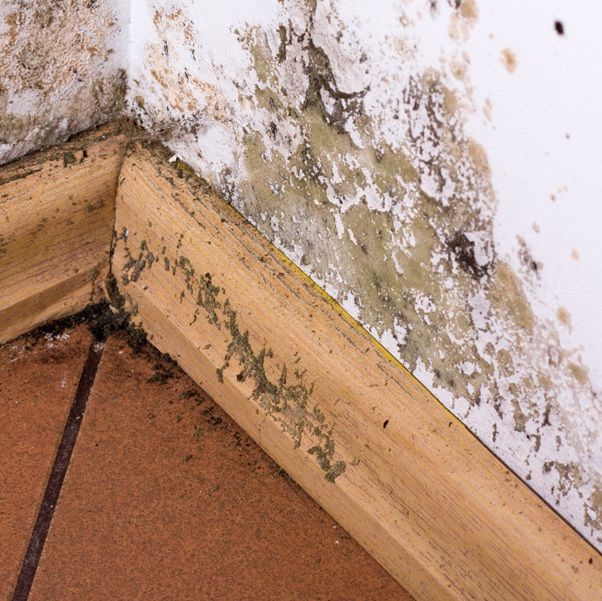
Living in a tropical climate like Singapore’s can be a delight, but it also poses challenges, especially when it comes to dealing with mould. Mould can thrive in warm and humid conditions, posing risks to both our health and our homes. That’s why conducting regular mould inspections is crucial. In this comprehensive guide, we will take you through the step-by-step process of mould inspection in Singapore, empowering you to safeguard your home and ensure a healthy living environment for you and your loved ones.
Step 1: Visual Assessment
The first step in mould inspection is to conduct a thorough visual assessment of your property. Carefully examine areas prone to moisture, such as bathrooms, kitchens, basements, and poorly ventilated spaces. Look out for visible signs of mould, including black or green spots on walls, ceilings, and surfaces, as well as musty odours. Remember, mould can hide in hard-to-reach places, so be meticulous in your inspection.
Step 2: Moisture Mapping
Moisture is the primary catalyst for mould growth. Identifying areas of excess moisture is crucial to understanding the extent of the mould problem. Use a moisture metre to measure the moisture content in different areas of your home. Focus on areas with water leaks, condensation, or poor ventilation. These could include pipes, windows, roofs, or even hidden spaces behind walls. Document the moisture levels to assess the severity of the issue accurately.
Step 3: Air Sampling
While visual inspection and moisture mapping provide valuable insights, air sampling is essential to evaluate the air quality and identify hidden mould spores. This step involves using specialised equipment to collect air samples from different areas of your home. The samples are then sent to a laboratory for analysis. The results will help determine the type and concentration of mould spores present, guiding the appropriate remediation measures.
Step 4: Surface Sampling
Surface sampling involves collecting physical samples from areas suspected of mould growth. A swab or tape lift sample is taken and sent to a laboratory for analysis. This step helps identify the specific species of mould present, providing crucial information for effective remediation. It also helps determine if mould contamination has affected building materials, such as drywall or insulation.
Step 5: Infrared Thermography
Infrared thermography is a non-intrusive method used to detect hidden moisture and potential mould growth. It involves using an infrared camera to capture images that highlight temperature variations in different areas of your home. Cold spots indicate potential moisture problems, which can lead to mould growth. Infrared thermography helps identify areas that require further investigation or remediation.
Step 6: Moisture Source Identification
To effectively eliminate mould, it is crucial to identify and address the source of moisture. Once the inspection is complete, the mould inspector will provide a detailed report pinpointing the areas with moisture issues. This report will help you understand the underlying causes of mould growth and guide you in taking the necessary corrective measures, such as fixing leaks, improving ventilation, or installing dehumidifiers.
Step 7: Remediation and Prevention
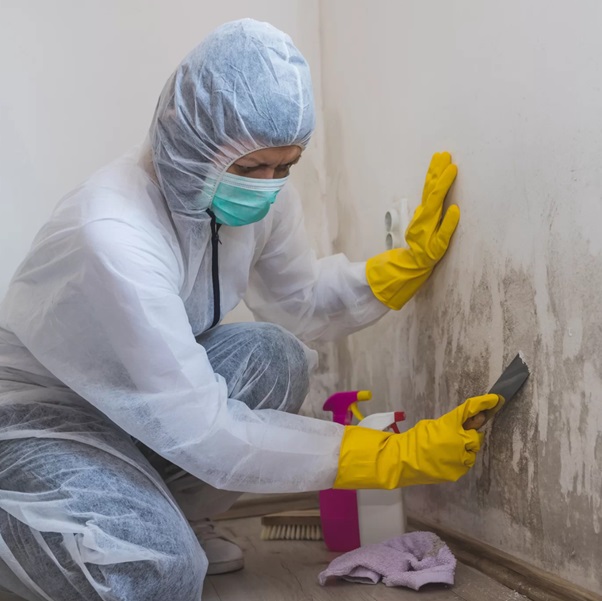
Based on the findings of the mould inspection, a remediation plan can be developed. It may involve professional mould removal services, repairs to damaged structures, and implementing preventive measures to inhibit future mould growth. Proper containment procedures should be followed during mould removal to prevent the spread of mould spores. Additionally, regular maintenance and moisture control measures should be adopted to prevent recurrence.
Conclusion:
By following this step-by-step guide to mould inspection in Singapore, you can proactively protect your home and ensure a healthy living environment. Remember, early detection and timely action are crucial in mitigating the risks associated with mould growth. If you suspect or observe signs of mould in your home, don’t hesitate to consult a professional mould inspection company. Take control of your home’s health today and create a mould-free living space for you and your loved ones.
Visit STERNG’s website today to schedule a comprehensive inspection of your property. Safeguard your home and ensure a healthy living environment. Don’t let mould take hold – take action now!
