

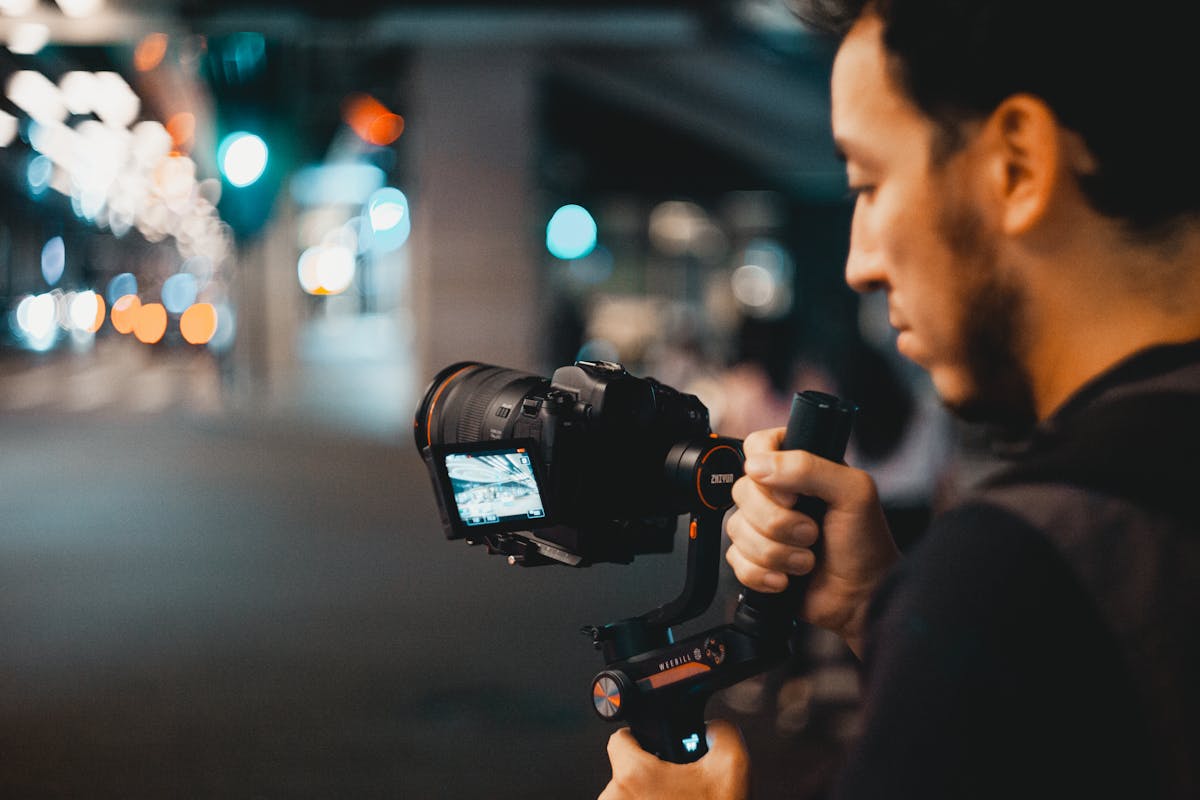
Night photography offers a magical opportunity to capture scenes that look completely different once the sun goes down. City lights sparkle, stars scatter across the sky, and colors transform into dramatic contrasts. While shooting in low-light conditions comes with challenges, it also opens up endless creative possibilities. With the right techniques and equipment, photographers can capture breathtaking images that highlight the beauty of the night.
Mastering Long Exposure
One of the most effective techniques in night photography is long exposure. By using slower shutter speeds, photographers allow more light to enter the camera, which is essential for darker scenes. This technique creates beautiful effects such as smooth water reflections, glowing light trails from cars, and dreamy star paths across the sky. A sturdy tripod is crucial for long exposures to avoid camera shake and ensure sharpness. Experimenting with shutter speeds ranging from a few seconds to several minutes can dramatically change the final outcome.
Choosing the Right Aperture and ISO
Camera settings play a vital role in capturing stunning night images. Aperture controls how much light enters the lens, so wider openings (such as f/2.8 or f/4) are great for night shots. ISO determines the camera’s sensitivity to light, but raising ISO too high can introduce unwanted noise. Finding the right balance is key: start with a low ISO for cleaner images, then gradually increase it if more brightness is needed. For scenes with little light, combining a wide aperture with moderate ISO helps maintain image quality while keeping details intact.
Using Artificial Light Creatively
Artificial light sources can enhance night photography by adding depth and character. Street lamps, neon signs, and car headlights all create unique visual effects. Photographers can also use external light sources such as LED panels, flashlights, or even the flashlight from a smartphone to illuminate subjects. Light painting—moving a light source during a long exposure—is another fun technique that produces striking, abstract results. By incorporating artificial light creatively, photographers can turn ordinary night scenes into works of art.
Focusing in the Dark
Achieving sharp focus at night can be difficult because cameras often struggle to lock onto subjects in low light. One useful method is to switch to manual focus and use live view to zoom in on a bright object, like a streetlight or distant star, to fine-tune focus. Another trick is to focus on an object during daylight or at dusk, then switch the lens to manual mode to keep it locked for later shots. Taking multiple test shots and adjusting focus as needed ensures that the final images are crisp.
Shooting in RAW Format
Night scenes often require adjustments in post-processing to bring out hidden details. Shooting in RAW format provides more flexibility to edit exposure, contrast, and color without degrading quality. RAW files preserve a wider dynamic range, making it easier to recover details in shadows or reduce highlights from bright light sources. Whether you want to emphasize the cool tones of moonlight or enhance the warmth of city lights, RAW files give you maximum control during editing.
Capturing Cityscapes at Night
Cityscapes come alive after dark, with illuminated buildings, bridges, and streets creating a vibrant atmosphere. To capture the best results, look for vantage points that showcase both architectural elements and light trails from vehicles. Including reflections in water or glass surfaces adds extra interest to the frame. Using long exposure with a narrow aperture (around f/8 to f/11) keeps the entire scene sharp, while balancing ISO ensures clarity without excessive noise.
Astrophotography Basics
For those drawn to the night sky, astrophotography is a rewarding area of exploration. Capturing stars, constellations, or the Milky Way requires clear skies away from light pollution. A wide-angle lens with a large aperture is ideal for capturing expansive skies. Settings often start with a 20-30 second shutter speed and ISO between 1600 and 3200, but adjustments depend on conditions. Including a foreground element, such as trees or mountains, helps anchor the shot and adds depth to the composition.
Experimenting with Motion
Night photography isn’t only about still scenes; it can also capture dynamic movement. Light trails from passing cars, spinning ferris wheels, or moving crowds create dramatic effects when photographed with long exposure. Even simple experiments, like photographing people holding sparklers, can result in playful and captivating images. Motion adds energy to nighttime shots, turning an otherwise static scene into a story.
Practical Tips for Better Night Shots
Preparation is key for night photography. Always bring a tripod to stabilize long exposures and consider a remote shutter release to reduce camera shake. Dress appropriately for weather conditions, as night shoots often require extended periods outdoors. Carry spare batteries since cold temperatures and long exposures can drain power quickly. Lastly, scout locations during daylight to identify the best compositions and ensure safety in the area. For event photographers, especially when covering occasions with photo Booth rental Atlanta, planning ahead ensures both posed and candid night shots complement the overall storytelling of the event.
Conclusion
Night photography transforms ordinary scenes into extraordinary works of art by playing with light, shadows, and motion. By mastering techniques such as long exposure, careful use of ISO and aperture, and creative lighting, photographers can overcome the challenges of shooting in low-light conditions. Whether capturing the glow of cityscapes, the wonders of the night sky, or the movement of lights in motion, night photography provides endless creative opportunities. With patience, practice, and the right tools, anyone can unlock the magic of the night through stunning images.
