

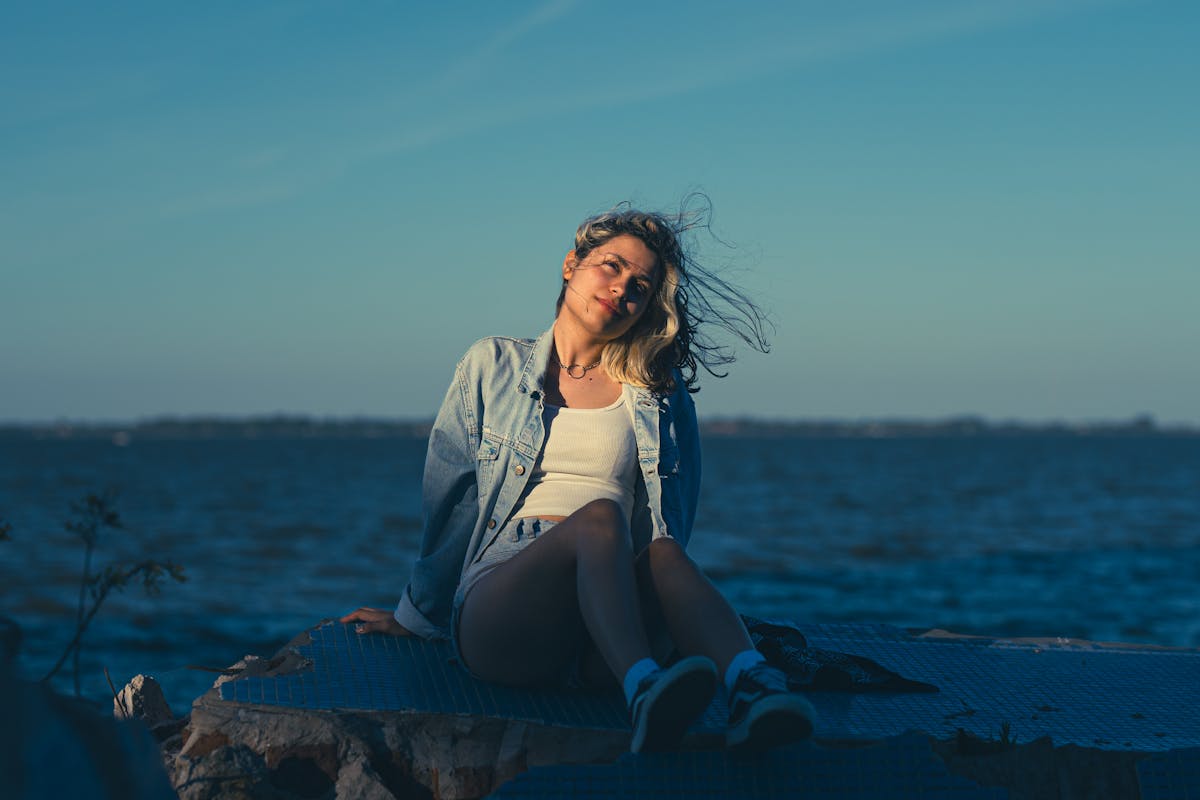
Photography is literally the science of light. In reality the term “photography” comes from the Greek “photos” meaning light and “graphé” meaning drawing, together meaning drawing with light. If not for light, there would be no such thing as photography. It’s not just about light; it’s about how light works with subject and environment and camera to make an image. In this blog post, we’ll discuss the nitty-gritty of light in photography: what it is, what the different kinds of light in photography are and what photographers do to make beautiful visual stories with it.
Natural vs. Artificial Light
Photographers use two sources of light Natural and Artificial. Anything close to natural light is the light that radiates from the sun, and it fluctuates where it becomes brighter depending on the time of day, weather, or time of year. It can create many effects — the soft golden tones of the golden hour, to the harsh direct light of noon. As a natural light photographer one of the most important skills to learn is how to control and work with the natural light around you.
Artificial light, meanwhile, refers to any artificial sources including studio strobes, LED panels and camera flashes. This is the type of lighting where photographers are in control of intensity, direction, and amount of available light. Being proficient in using artificial light is particularly important in the studio or at events such as photo booth rental Las Vegas where the lighting needs to be consistent for picture quality.
The Qualities of Light
Photographers evaluate light using a number of attributes:
- Intensity: It represents the brightness of the light. The hard light will give you more defined shadows and contrast while the soft light will give you less noticeable shadows and tones.
- Angle: Light can make your subject look dramatically different just by changing the angle in which it is hitting your subject! Lighting from the side brings texture into relief, back lighting silhouettes, and front lighting evenly exposes.
- Color Temperature: In a measurement of the color of a light, we refer to where it falls on the color spectrum, and this is where the temperature is measured, in Kelvin (K). It indicates the temperature of a black-body radiator emitting a similar spectrum of light. It’s cooler in the midday, and then it is warmer in the morning or evening. Sometimes artificial lights are of differing temperatures, which photographers can adjust to with gels or white balance.
- Type: The light can be hard or soft. You have hard light, which creates sharp shadows and is typically from a small, direct source such as the sun or a bare bulb. Soft light is produced by a diffusing the light source, or using reflectors to help spread out the light, and it gently encloses our subject and creates few shadows.
Light Modifiers and Tools
Photographers have at their disposal a multitude of tools to shape light for a desired result. Reflectors bounce light onto a subject, which balances out shadows and provides dimension. Diffusers soften hard light, allowing it to become more flattering for portraiture. Flash heads and strobes emit brief bursts of artificial light, perfect in low light situations.
Accessories such as softboxes, umbrellas, and grids diffuse or directionalize the controlled flash system’s light output. There are even simple things you could find around the house – such as white poster boards, and sheer curtains – that you can utilize the same way you manipulate light.
The Moods of Light
When it comes to lighting, the lamps are not only illuminating; they’re also narrating. The manner of using light can invoke feelings and express a certain atmosphere. Soft, ambient light reflects a romantic feel or a distant dream, while strong, directional light may exude drama or conflict. Dim, shadow-rich lighting with lots of contrast often implies mystery or suspense, like you might see in film noir or a portrait.
On the other end of the spectrum is high-key lighting, which is bright, even, emits a sense of purity, joy, or cleanliness, and is frequent in fashion and beauty photography. Knowing how various lighting set-ups impact emotional response is a valuable weapon in the arsenal of any photographer.
How to Use Light for Islamooming
- The Light Look: Take a look at how different light can be during the day. Learn how it falls on different surfaces, how it influences your sense of depth, texture and color.
- Practice with Angles: Shift to different sides of your subject to observe the changing tilt of the light and the effect on the image.
- Manual Settings all the way: The key to learning how to take photographs comes with figuring out how to use your camera in manual. Fine-tune aperture, shutter speed, and ISO to achieve the effect you want.
- Shoot in Golden Hour: The hour after sunrise and before sunset provides the most flattering natural light.
- Try With Fake Light: Experiment with lamps, flashlights, or professional lighting equipment to see the effect.
Conclusion
Photography is the brushstroke of light. No matter if you’re photographing portraits of a couple, the local park, or a festival, your ability to control and manipulate light will take your work to the next level. Everyone has something to offer, from the sun’s natural light all the way back to the surgical strike of studio lighting. Photographers, who are true masters over light, don’t just snap pictures; they make art.
