

In today’s world, where energy efficiency and environmental sustainability are becoming increasingly important, one area that deserves significant attention is wall insulation. While it might not be the most glamorous topic, proper insulation of walls is a fundamental aspect of creating an energy-efficient and comfortable living or working space.
This article delves into the pivotal role that wall insulation plays in lowering energy consumption, elucidating its benefits, types, and considerations for selecting the most appropriate insulation solutions. By delving into the realm of wall insulation, we embark on a journey toward a more energy-conscious and sustainable future.
How Wall Insulation Works
Wall insulation involves the installation of materials that resist heat flow, both inwards and outwards, through the walls of a building. In colder climates, insulation helps retain heat inside the building during winter, while in warmer climates, it prevents excessive heat from entering the building during summer.
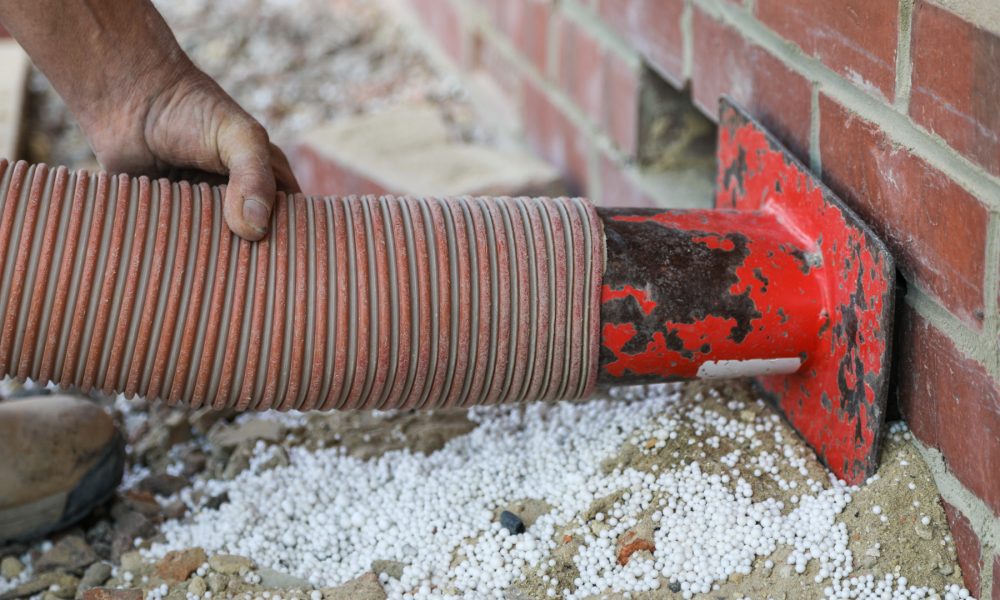
The most common types of wall insulation include batt insulation, blown-in insulation, rigid foam insulation, and spray foam insulation. These materials work by creating a barrier that slows down the transfer of heat between the interior and exterior environments. This not only keeps indoor temperatures stable but also reduces the reliance on heating and cooling systems, thereby lowering energy bills. Discover additional details about wall insulation services in Australia by visiting insulationessentials.com.au.
Benefits of Proper Wall Insulation
Enhanced Energy Efficiency and Cost Savings
One of the primary benefits of wall insulation is improved energy efficiency. By minimizing heat transfer through walls, the need for constant heating and cooling is reduced. This, in turn, leads to lower energy consumption and decreased utility bills. Over time, the cost savings can be substantial, making wall insulation a smart investment.
Improved Indoor Comfort
Properly insulated walls create a more comfortable indoor environment. Consistent temperatures are maintained throughout the building, eliminating cold spots and drafts. Whether it’s a cozy home or a productive office space, the occupants will experience increased comfort year-round.
Noise Reduction
Wall insulation not only regulates temperature but also serves as a barrier against noise pollution. Insulated walls can significantly dampen external noises, providing a quieter and more peaceful indoor atmosphere. This is particularly beneficial for urban areas or locations near busy streets.
Environmental Benefits
Reducing energy consumption through effective wall insulation doesn’t just benefit your wallet—it also benefits the environment. Less energy usage translates to fewer greenhouse gas emissions, contributing to a smaller carbon footprint. By choosing insulation materials with high recycled content, you can further minimize the environmental impact of your insulation choices.
Factors to Consider When Choosing Wall Insulation
When it comes to making your home energy-efficient and comfortable, choosing the right wall insulation is a crucial decision. Proper insulation helps regulate indoor temperature, reduces energy bills, and creates a cozy living environment. With a variety of insulation options available, it’s essential to consider several factors before making your choice:
- R-Value: The R-value measures an insulation material’s thermal resistance. A higher R-value indicates better insulation. Consider your region’s climate and the desired level of insulation when selecting an R-value.
- Material Type: There are various insulation materials, such as fiberglass, cellulose, foam, and mineral wool. Each material has its pros and cons in terms of cost, performance, and environmental impact. Choose a material that aligns with your priorities.
- Application Area: Different areas of your home might require specific types of insulation. For instance, spray foam insulation works well in irregular spaces, while batt insulation is suitable for standard stud framing.
- Installation Process: Some insulation materials are more suitable for DIY installation, while others require professional expertise. Factor in your skill level and the complexity of the installation process.
- Environmental Impact: If eco-friendliness is important to you, choose insulation materials with a lower carbon footprint. Look for materials with recycled content or those that can be easily recycled at the end of their life cycle.
- Air Sealing: Insulation works best when combined with proper air sealing. Addressing gaps, cracks, and air leaks before installing insulation enhances its performance and energy-saving benefits.
Ultimately, wall insulation is a key component in reducing energy consumption in buildings. By reducing heat transfer through walls, insulation can significantly decrease the need for heating and cooling systems, resulting in lower energy costs and reduced carbon emissions. Choosing the appropriate type and thickness of insulation, as well as ensuring proper installation, are critical factors in achieving optimal energy efficiency. As professionals in the construction and building industry, it is important to prioritize the use of high-quality insulation materials and techniques in our projects to promote sustainability and environmental responsibility.
