

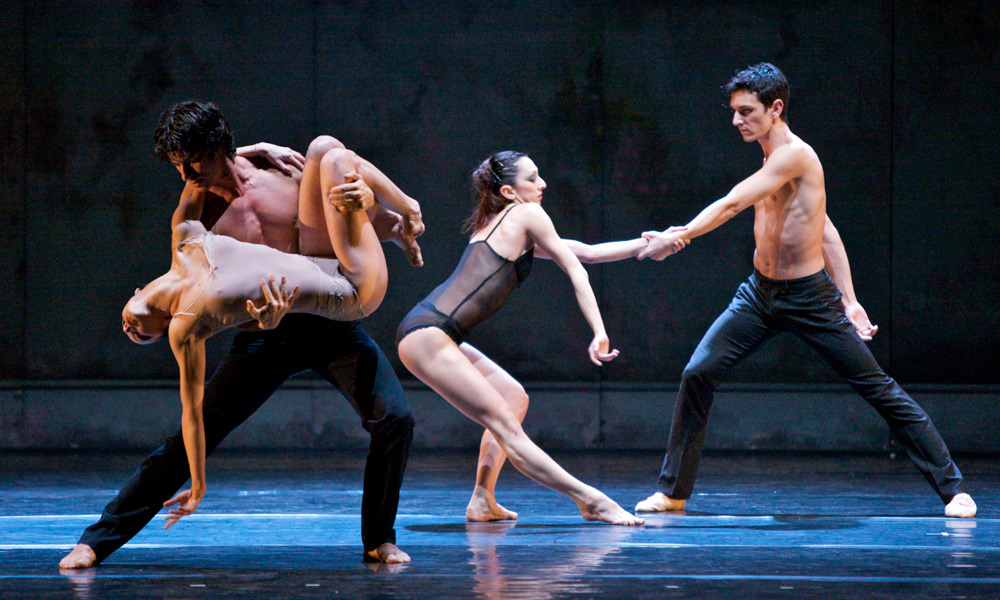
Los Angeles has long been a cultural crossroads, where artistic innovation thrives and creative boundaries are constantly challenged. Within this environment, contemporary dance is undergoing a transformation through immersive performance formats. These productions move beyond conventional stages, placing the audience directly within the heart of the action. The result is a more personal, engaging experience that reshapes how movement, space, and narrative are understood.
Breaks Traditional Boundaries with Audience Interaction
The very nature of immersive shows in Los Angeles is that they challenge the passive role typically assigned to audiences by making them active participants in the unfolding performance. Choreographers and directors have embraced this shift, designing pieces that unfold around, among, and even with the viewers. This level of involvement creates a sense of immediacy and intimacy that traditional theater settings often lack. Performances no longer rely solely on front-facing observation; instead, they encourage movement and exploration within the space.
Transformation of Spaces in Theaters and Immersive Environments
Rather than relying on proscenium arches and fixed seating, many contemporary dance companies in Los Angeles are reimagining non-traditional venues as performance spaces. Abandoned warehouses, historic buildings, and open-air lots have all been repurposed into immersive environments where dance can unfold organically. These locations offer opportunities to integrate architecture and setting into the choreography itself, allowing movement to respond to the space rather than dominate it. The city’s diverse urban setting provides a rich palette of backdrops that enhance storytelling and deepen thematic resonance.
Multi-Sensory Storytelling in Dance Performances
In immersive dance performances, storytelling extends beyond movement to include lighting, sound, texture, and even scent. Los Angeles creators are integrating these elements to craft layered narratives that engage multiple senses simultaneously. Audiences find themselves surrounded by dancers and by atmospheric cues that heighten emotional impact. This sensory richness allows for more nuanced expression, enabling choreographers to convey complex themes without relying solely on visual cues.
Dynamic Choreography Designed for 360-Degree Engagement
Choreographing for an immersive show requires a different approach than staging a traditional piece. Dancers must be aware of all directions at once, ensuring their movements remain compelling regardless of where the audience chooses to focus. In Los Angeles, choreographers have adapted by crafting sequences that unfold organically in three-dimensional space. This demands heightened spatial awareness and versatility from performers, who must maintain a strong presence from any angle. The result is choreography that feels fluid, adaptable, and responsive to the shifting perspectives of those watching.
Emotional Connection Through Immersive Techniques
The close proximity between dancer and audience in immersive shows fosters a level of emotional engagement. Viewers witness subtle expressions, breaths, and gestures up close, deepening their understanding of the performer’s physical and emotional journey. In Los Angeles, where personal expression and authenticity are highly valued, this closeness aligns with broader cultural trends. Audiences are no longer distant observers but rather co-inhabitants of the performance world, sharing in the energy and emotion of the moment.
Integration of Technology to Enhance Movement
Technology plays a growing role in shaping the immersive dance experience in Los Angeles. Projection mapping, interactive lighting, and spatial audio are being used to expand the expressive potential of movement-based storytelling. These tools allow for seamless transitions between scenes and create environments that respond in real time to the performers’ actions. Digital enhancements provide flexibility and depth, transforming how space is perceived and navigated.
Creative and engaging immersive shows in Los Angeles are reshaping the realm of contemporary movement-based art. By redefining audience engagement, transforming performance spaces, and integrating multi-sensory elements, these productions offer a fresh perspective on what dance can be. The city’s cultural fabric and architectural diversity provide an ideal setting for such experimentation.
